Juice recipe PDFs compile curated blends like Joe Cross’s 101 recipes sorted by color, the 10‑day cleanse guide, Cold Press Juice Bible, and Burning Questions eBook. They offer ingredient lists, step‑by‑step instructions, and health tips for beginners alike. !
What Makes a Juice Recipe PDF Valuable
Valuable juice recipe PDFs combine clear organization, practical guidance, and actionable health insights. A well‑structured document typically arranges blends by color—red, orange, green, and yellow—allowing users to target specific nutrients at a glance. A comprehensive table of contents lists sections, from introductory tips on juicing technique to advanced combinations, making navigation effortless. The inclusion of over twenty‑five green‑juice formulas demonstrates a focus on detoxifying, anti‑inflammatory options, while sidebars offer quick‑start advice for beginners, such as how to use a cold‑press juicer or adjust ingredient ratios for taste and potency. The resource often discusses different juicing approaches—feasts, fasts, or gradual integration—helping readers choose a plan that matches their body type and wellness goals. By providing ingredient lists, step‑by‑step instructions, and nutritional commentary, the PDF empowers users to create balanced, flavorful drinks while staying informed about the benefits of each component. This blend of structure, depth, and practical tips turns a simple recipe list into a reliable companion for anyone looking to enhance their diet with fresh, nutrient‑dense juices. Readers can also track progress, note flavor variations, and share favorite blends with friends!!!
Key Features to Look For
When selecting a juice recipe PDF, prioritize a layout that groups blends by color—red, orange, green, yellow—to quickly match desired nutrients. A detailed table of contents should list each section, from beginner guides to advanced flavor pairings, enabling fast navigation. Look for comprehensive ingredient lists that include optional substitutions and portion sizes, as seen in the 101 Juice Recipes by Joe Cross, which offers over 25 green‑juice formulas and a “feast” versus “fast” framework. Practical tips on juicing technique—such as the Breville cold‑press method described in the Cold Press Juice Bible—enhance usability. Inclusion of a 10‑day cleanse program, like the 10‑Day Juice Cleanse Recipes PDF, demonstrates versatility for both detox and routine use. Nutritional commentary, anti‑inflammatory highlights, and sidebars on health benefits, found in the Burning Questions eBook PDF, add depth. Finally, check for printable formatting, clear fonts, and mobile‑friendly layout to ensure the PDF remains functional across devices. These features collectively transform a simple list into a reliable, adaptable resource for any juicing enthusiast!!!
Additional insights emphasize ingredient freshness, fiber retention, and flavor pairing. Experiment with seasonal produce, adjust sweetness, and track progress. A simple approach turns the PDF into a useful companion for casual and devoted juicers!
Popular Juice Recipe PDF Collections
Top PDFs: Joe Cross’s 101 Juice Recipes, 10‑Day Juice Cleanse guide, Cold Press Juice Bible, and Burning Questions eBook. Each offers color‑coded blends, clear instructions, and health insights for all levels. —read!
101 Juice Recipes by Joe Cross

Joe Cross’s 101 Juice Recipes PDF is a staple for anyone looking to dive into the world of juicing. The document is meticulously organized by color—red, green, yellow, and orange—making it easy to find a blend that matches your mood or nutritional goal. Each section begins with a brief introduction that explains the primary health benefits of the color group, followed by a list of recipes that range from beginner-friendly to advanced. The PDF includes over 25 green juice recipes, which are especially prized for their detoxifying properties and high chlorophyll content. In addition to the recipes, the guide offers practical tips on juicing technique, such as the importance of feeding produce slowly into the cold‑press juicer to maximize yield and flavor. The document also contains a table of contents that allows for quick navigation, and a section on how to adjust recipes based on body type or desired outcomes—whether you’re aiming for a juice feast, a juice fast, or simply incorporating small amounts of juice into your daily routine. The PDF is designed for easy printing and is compatible with most PDF readers, ensuring that you can access your favorite blends on the go or at home.
Each PDF offers a library of nutrient‑dense blends, ready to print, scan, save on‑the‑go
10-Day Juice Cleanse Recipes PDF
Designed for anyone who wants a structured, 10‑day detox, the 10‑Day Juice Cleanse Recipes PDF compiles a complete set of ten nutrient‑rich blends. Each page lists ingredients, precise measurements, and step‑by‑step instructions, making it simple to follow even if you’re new to juicing. The recipes focus on anti‑inflammatory produce—such as fennel, which offers analgesic and antioxidant benefits—alongside greens, citrus, and root vegetables that supply vitamins, minerals, and detoxifying compounds. The PDF is formatted for easy printing; the layout is clean, with clear headings and a table of contents that lets you jump straight to the day you’re on; The creator’s note explains how the cleanse can be adapted: you can use the same recipes for a juice feast, a lighter juice fast, or simply add a few servings to your daily routine. The document also includes a brief introduction to the science behind juice cleansing, highlighting how the body can benefit from a temporary shift to liquid nutrition. With minimal images for a lightweight file, this PDF is perfect for printing, sharing, and carrying in a tote bag while you shop or travel. Readers can also customize the schedule by swapping ingredients based on seasonal availability, ensuring fresh flavors and optimal nutrient intake throughout the cleanse. Enjoy the journey of health and taste.
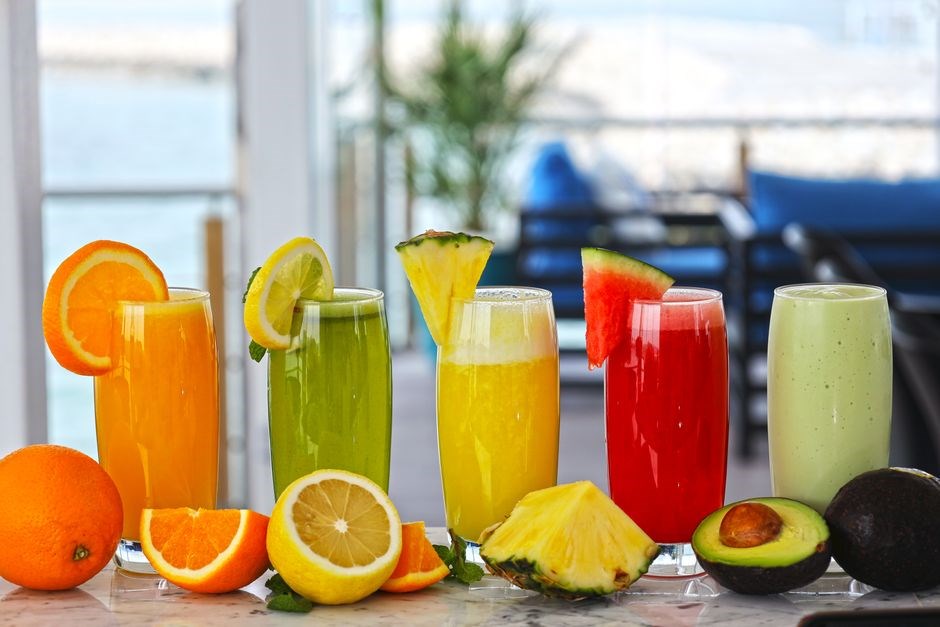
The Cold Press Juice Bible PDF serves as a definitive resource for enthusiasts of slow‑press juicing. It outlines the science behind cold‑press extraction, explaining how minimal heat preserves enzymes, antioxidants, and the full spectrum of nutrients. The guide includes a curated list of 50+ recipes, each paired with a clear color code—green, yellow, orange, red to help users track their intake and target specific health goals. Detailed instructions cover everything from selecting the freshest produce to operating a Breville cold‑press machine with a food pusher, ensuring maximum yield and flavor. The PDF also offers practical tips on cleaning the juicer, storing juice safely, and rotating seasonal ingredients. A section on troubleshooting common issues—such as bitter taste or low volume—provides quick fixes. Readers can download the file for offline use, print individual recipes, or integrate the content into a digital recipe manager. By following the Cold Press Juice Bible, users can confidently create nutrient‑dense drinks that support detoxification, weight management, and overall vitality.
Readers can also bookmark favorite blends for reference duringbusy daysquickly today! This guide also covers troubleshooting common issues like bitter taste or low yield, offers ingredient swaps, includes a glossary of terms for beginners
Burning Questions eBook PDF
Burning Questions eBook PDF compiles a concise 10‑day juice cleanse guide, featuring 15 carefully selected recipes that blend fruits and vegetables for maximum nutrient density. The PDF includes clear ingredient lists, step‑by‑step instructions, and minimal images to keep the file lightweight and printable. Each recipe is designed to support inflammation control, with ingredients like fennel, which offers anti‑inflammatory, anti‑histamine, analgesic, and antioxidant benefits. The guide also highlights how to use a cold‑press juicer, offering tips on optimal speed and pusher technique to maximize juice yield. Users can download the file for offline use, print individual recipes, or incorporate the content into a digital recipe manager. The Burning Questions eBook is ideal for beginners seeking a structured cleanse routine or anyone looking to add a healthy, nutrient‑rich beverage to their daily regimen. For quick reference, the PDF includes a handy ingredient index, letting you swap items based on season or taste. Each recipe notes specific health benefits—like citrus and ginger boosting immunity or beetroot enhancing workout endurance. The clean layout keeps text legible on small screens, making it easy to follow recipes on the go. The guide lists ingredient swaps preferences.!
Using Juice Recipe PDFs for Your Routine
Download a PDF, scan recipes, and schedule daily juices. Use a calendar to plan color‑coded blends, adjust portions, and track hydration; Print favorites for quick reference, and update the PDF with notes on taste and timing for a personalized routine daily.??
Creating a Personalized Juice Schedule
Start by reviewing the PDF collections—Joe Cross’s 101 recipes, the 10‑day cleanse guide, the Cold Press Juice Bible, and the Burning Questions eBook. Select blends that align with your goals: detox, energy, or weight management. Assign each chosen recipe to a specific day, grouping similar colors to balance nutrients. Use a calendar or spreadsheet to map out a 7‑ or 14‑day cycle, noting when to consume a green, orange, or berry‑based juice. Adjust portions based on your body type: a leaner frame may need smaller servings, while a larger frame can handle larger volumes. Add notes in the PDF’s annotation feature to record taste adjustments or ingredient swaps. When integrating juices into daily life, schedule them for times that fit your routine—morning hydration, pre‑workout boost, or post‑meal cleansing. Track your intake with a journal or app, noting how each juice affects energy, digestion, and mood. Periodically review the schedule, swapping recipes to prevent flavor fatigue and to target new nutritional needs. Printing a laminated copy of the schedule can keep it handy on the fridge or in a planner. This dynamic approach turns static PDF recipes into a living, evolving routine that supports your health journey. Feel free to tweak the schedule monthly, swapping in seasonal produce or new recipes from the PDF libraries to keep the routine exciting and nutritionally balanced. Enjoy the process! and stay hydrated.
Integrating Recipes Into Daily Life
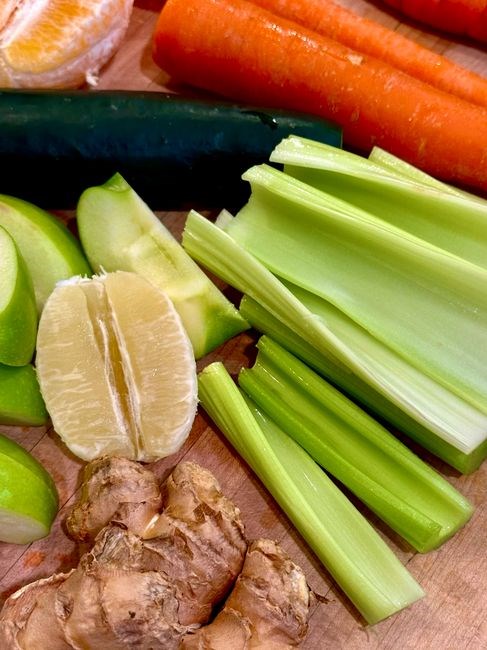
Juice recipes PDFs give you a ready‑made library of blends that can be woven into everyday habits; Begin by setting a realistic frequency—one or two juices per day—so the routine feels sustainable. Use the PDF’s ingredient lists to create a weekly grocery checklist, grouping items by produce type to reduce waste. Prepare a batch of base juices (e.g., a green detox or a citrus refresh) on the weekend and store them in airtight containers for quick grab‑and‑go mornings. For busy days, keep a small blender or juicer in the kitchen and use the PDF’s step‑by‑step instructions to whip up a fresh drink in under five minutes. Pair a nutrient‑dense juice with a protein‑rich snack to keep hunger at bay and maintain balanced blood sugar. When traveling, pack a reusable bottle and a small pack of pre‑measured ingredients from the PDF, then blend on the go. Track your intake in a simple log, noting how each juice aligns with your energy levels, digestion, and mood. Adjust the schedule based on feedback: if a particular blend feels too heavy, reduce the volume or swap in a lighter recipe from the PDF. By treating the PDF as a dynamic resource—adding new recipes as seasons change—you keep the routine fresh and aligned with your evolving health goals. Remember to adjust portion sizes based on calorie needs, and consider adding a splash of lemon or ginger to enhance flavor and digestion. Keep notebook to log how each juice affects energy and mood, allowing you to fine‑tune routine time. now!
Formatting and Accessibility Tips
Use clear headings consistent fonts and high‑contrastcolors. Optimize for mobile by setting page width to 100% and using scalable vector graphics. Enable text‑to‑speech by embedding alt text for images. Keep file size under 5 MB for quick download share daily.
Optimizing PDFs for Mobile Devices
Optimizing juice‑recipe PDFs for mobile devices ensures smooth reading on phones and tablets. First, set the page width to 100 % of the viewport and use the fit‑to‑page view option. Keep the PDF size under 5 MB by compressing images to 150 dpi and converting them to JPEG or WebP. Use vector graphics for logos and icons so they scale cleanly. Add bookmarks for each recipe section; this lets users jump directly to a green‑juice or detox page. Ensure all text uses a minimum of 12‑point font and a high‑contrast color scheme (dark text on a white background). Embed alt text for every image and use tagged PDF structure so screen readers can navigate the document. Finally, test the PDF in popular apps (Adobe Acrobat Reader, Foxit, and the built‑in iOS/Android viewers) to confirm that the layout remains intact and that the navigation pane displays correctly; By following these steps, your juice‑recipe collection will be accessible, fast, and user‑friendly on any mobile platform.
Tip: Use the PDF’s search to locate ingredients. Enable the “fit‑to‑width” setting on each page so the text never breaks awkwardly. Add a table of contents with clickable links that jump to each recipe. This improves usability for users who want to skim.!!Trynow!
Adjusting Font Size and Layout
When preparing a juice‑recipe PDF, font size and layout directly influence readability and user satisfaction. Start by selecting a base font size of 12 pt for body text; this size works well on both desktop and print. For headings, use 14–16 pt bold to create a clear hierarchy. Use a sans‑serif typeface such as Arial, Helvetica, or Open Sans for crisp digital display, and a serif like Times New Roman for printed versions to enhance legibility. Apply consistent line spacing of 1.15–1.25 to avoid cramped lines. Keep margins at 0.75 in on all sides; this leaves enough white space for a tidy look. When inserting ingredient lists, use bullet points and indent each line by 0;25 in to separate items visually. For recipe steps, number them and use a slightly larger font (13 pt) to guide the reader. Add a header or footer with the recipe title and page number for easy navigation. If the PDF contains images, align them to the left or right and wrap text around them; this keeps the layout balanced. Finally, test the PDF on multiple screen sizes to confirm that text does not shrink or overflow, and adjust the page size to 8.5 × 11 in for standard print. By following these guidelines, your juice‑recipe PDF will look professional and be easy to read. Remember to review each recipe’s nutrition facts, adjust ingredient amounts for taste, and keep the PDF in a cloud folder for access
Printing and Organizing Juice Recipes
Printing juice PDFs requires high‑resolution settings, duplex mode, and clear page labels. Store prints in labeled folders or binders for quick access. Keep digital backups for updates and easy daily sharing.Print color!
Best Printing Practices for PDFs
Printing juice recipe PDFs demands meticulous attention to detail. First, choose a high‑resolution printer (minimum 600 dpi) to preserve crisp ingredient lists and vibrant color charts. Use the PDF’s native print dialog to set “Actual Size” and disable scaling; this keeps measurements accurate for recipe portions. Duplex printing saves paper and keeps your collection tidy—enable “Print on Both Sides” and select “Flip on Long Edge” so pages stay in order. Margins should be set to 0.25 in on all sides; this allows the printer to use the full page without cutting off small text. For color‑rich recipes, calibrate your monitor and printer using a color profile (e.g., sRGB or Adobe RGB) to ensure the printed hues match the on‑screen version. Paper choice matters: a matte, thick stock (120–150 gsm) reduces glare and prevents bleed‑through, especially when recipes include photos or diagrams. If you need to print multiple copies, use the “Print Multiple” function and choose “2‑up” or “4‑up” layouts to conserve paper while still keeping each recipe legible. Finally, after printing, staple or bind the pages in a spiral folder or use a simple ring binder. Label each section with tabs or color‑coded stickers for quick reference. By following these steps, your juice recipe PDFs become a professional resource that’s navigate a share.
Storing and Cataloguing Printed Recipes
After printing, keep your juice recipes in a dedicated binder or accordion folder, labeling each section by theme—color, cleanse type, or difficulty. Use color‑coded tabs for instant retrieval and store the binder in a cool, dry place to protect images and prevent ink smudging. For long‑term preservation, place each sheet in a plastic or archival sleeve to guard against dust and spills. Create a digital index: scan each page, name the file (e.g., “JoeCross_101Green.pdf”), and store copies on an external drive and cloud backup. When you need a recipe, refer to the index, pull the page, and note any tweaks you make in a logbook beside the binder. This system turns your collection into a living document that evolves with your juicing journey. Maintain this system, and your archive will stay reliable, accessible, ready for use today. Organizing recipes this way also makes it simple to add new blends or remove outdated ones, keeping your reference set fresh and relevant. With a clear filing system, you can quickly locate any recipe, ensuring you never waste time searching or miss a perfect blend. Storing recipes in this manner reduces, can see what have on hand. Finally, keep a notebook to jot down any flavor tweaks, so your future batches are a step ahead. All set! Enjoy the juice!! Now! Enjoy!!.