Intex Pool Ladder Instructions: A Comprehensive Guide
Welcome! This guide provides detailed instructions for assembling and maintaining your Intex pool ladder, ensuring safe access.
It covers everything from initial setup to winter storage, referencing the owner’s manual and available resources.
Understanding the components, safety precautions, and proper installation techniques are crucial for a secure and enjoyable swimming experience.
This comprehensive resource will help you navigate each step, addressing common issues and maximizing the lifespan of your ladder.
Understanding Your Intex Pool Ladder
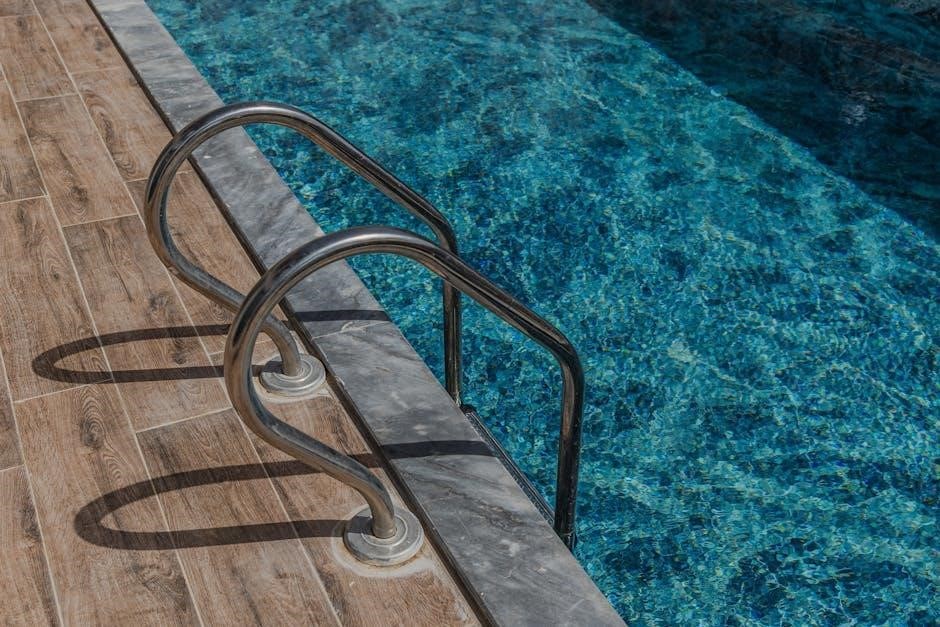
Familiarization is key! Your Intex pool ladder isn’t just a means of entry and exit; it’s a carefully engineered system designed for stability and safety. Different models – 42”, 48”, and 52” – cater to varying pool depths and user needs.
The ladder’s core structure comprises legs, steps, a top platform, and a U-shaped rail. Each component plays a vital role in distributing weight and providing secure footing. Understanding how these parts interact is fundamental to proper assembly and maintenance. The Deluxe models feature removable steps, adding a layer of security when the pool isn’t in use, easily snapped into place for quick re-installation.
Reviewing the owner’s manual, often included in the ladder box, is paramount. It details specific parts lists and diagrams tailored to your model. Recognizing these components beforehand streamlines the assembly process and ensures you have everything needed before you begin. Remember, proper understanding equates to a safer and more enjoyable pool experience.
Safety First: Important Precautions
Prioritize safety above all else! Before even unpacking your Intex pool ladder, understand the inherent risks associated with pool access. Never allow unsupervised children near the ladder or pool. Always ensure a responsible adult is present during pool use.
Inspect the ladder regularly for any signs of damage, loose connections, or corrosion. Do not use the ladder if any components are compromised. Be mindful of the weight capacity; exceeding it can lead to instability and potential injury. When removing steps for storage, ensure the pool is empty or access is otherwise restricted.
Pay attention to warnings regarding reproductive harm and BPA, as indicated on the product and packaging (refer to www.p65Warnings.ca.gov). Proper installation, following the manual’s instructions precisely, is crucial for a secure setup. General aquatic safety rules should always be observed to prevent accidents and ensure a safe swimming environment for everyone.
Ladder Components and Parts List
Familiarize yourself with all parts! An Intex pool ladder, particularly the 52-inch two-section model, consists of several key components. These include the ladder legs, providing the structural support, and the steps themselves, designed for secure footing.
The top platform offers a stable transition into and out of the pool, while the U-shaped top rail provides a handhold for added safety. Removable steps are a common feature, allowing for easy storage when the pool isn’t in use. The base provides a stable foundation on the pool deck.
Refer to your owner’s manual for a detailed parts diagram and list. Ensure all listed parts are present before beginning assembly. Understanding each component’s function will streamline the installation process and help with future maintenance or replacement of individual parts. Proper identification is key to a successful setup.
Identifying Ladder Types (42″, 48″, 52″ Models)
Choosing the right ladder is crucial! Intex offers various ladder sizes to accommodate different pool depths. The 42-inch ladder is typically suited for pools with a depth of up to 36 inches, while the 48-inch model is designed for pools reaching 48 inches in depth.
The 52-inch ladder, often a two-section design, provides access to pools up to 52 inches deep. It’s essential to select a ladder that matches your pool’s height for safe and stable access. Deluxe models often feature removable steps for added convenience and safety.
Always verify the pool depth before purchasing a ladder. Incorrectly sized ladders can pose a safety hazard. Refer to the product packaging or owner’s manual to confirm compatibility. Understanding these distinctions ensures a secure and enjoyable swimming experience tailored to your specific pool setup.
Assembly Preparation: Tools and Workspace
Proper preparation is key to a smooth assembly! Before you begin, clear a spacious, flat workspace – a garage floor or patio works well. Protect the surface with a drop cloth or cardboard to prevent scratches to the ladder components or your flooring.
Gather the necessary tools: typically, a Phillips head screwdriver is sufficient. While not always required, a rubber mallet can assist with firmly seating connections. Ensure you have all ladder components laid out and readily accessible, referencing the parts list in the owner’s manual.
Having a second person assist can be beneficial, especially during the attachment of larger pieces. Review the assembly instructions thoroughly before starting. A well-prepared workspace and the right tools will significantly streamline the process and ensure a secure, stable ladder.
Step 1: Assembling the Ladder Legs
Begin by connecting the ladder legs! Identify the leg pieces – usually four individual sections. These will typically connect using push-pin connectors or similar locking mechanisms. Insert the legs into the base frame, ensuring they are fully seated and securely locked into place. A gentle tap with a rubber mallet can help, but avoid excessive force.
Double-check that all connections are firm and stable. The legs form the foundation of the ladder, so their proper assembly is critical for safety. Refer to the diagrams in the owner’s manual for precise leg orientation and connector placement.
Once the legs are assembled, verify they are evenly aligned and create a stable base. This initial step sets the stage for the rest of the assembly process, ensuring a sturdy and reliable ladder structure.
Step 2: Installing the Steps
Now, attach the steps to the assembled ladder legs! Carefully align each step with the designated slots or mounting points on the ladder legs. The Intex Deluxe Pool Ladder features removable steps designed for easy installation and detachment. Simply set each step into its base, then firmly snap and lock it into place – you should hear a distinct click confirming secure attachment.
Ensure each step is level and firmly secured before proceeding. Regularly check these locking mechanisms throughout the season. The steps are designed for quick removal when the pool isn’t in use, enhancing safety and convenience.
Verify that all steps are consistently spaced and securely fastened to the ladder frame. This step is vital for providing a safe and stable climbing surface for pool users.
Step 3: Attaching the Top Platform
With the legs and steps assembled, it’s time to attach the top platform! Carefully position the top platform onto the upright ladder legs, ensuring proper alignment with the pre-drilled holes or mounting points. Secure the platform using the provided hardware – typically screws or bolts – tightening them firmly but avoiding over-tightening, which could damage the plastic components.
Double-check that the platform is level and securely fastened to both ladder legs. This platform provides a stable surface for entering and exiting the pool, so its secure attachment is paramount for safety.
Inspect all connections to confirm a robust and stable structure. A wobbly platform indicates loose hardware that needs immediate attention. This step is crucial for a safe and reliable pool access point.
Step 4: Connecting the U-Shaped Top Rail
Now, connect the U-shaped top rail to the assembled ladder structure. This rail provides additional stability and a handhold for users entering and exiting the pool. Align the openings in the U-shaped rail with the top of the ladder legs and the previously attached top platform.
Secure the rail using the designated hardware, typically screws or pins, ensuring a snug fit. Verify that the rail is firmly attached to both sides of the ladder, creating a continuous handhold. A secure top rail is vital for preventing accidental slips and falls.
Inspect all connections, confirming that the U-shaped rail is stable and doesn’t wobble. Tighten any loose hardware. This final connection completes the ladder’s structural integrity, preparing it for safe use.
Securing the Ladder to the Pool Frame
Properly securing the ladder to the pool frame is paramount for safety. Position the assembled ladder against the pool wall, ensuring the top of the ladder rests firmly on the pool’s top rail or designated support structure.
Utilize the provided straps or brackets to attach the ladder to the pool frame. These components prevent the ladder from shifting or detaching during use. Ensure the straps are tightly fastened and evenly distributed to provide balanced support. Regularly inspect these connections for wear and tear.

For Ultra Frame pools, place the ladder over a side, with a team member smoothing out any bottom liner wrinkles while inside the pool. Confirm the ladder is stable and doesn’t move when weight is applied. A securely fastened ladder minimizes the risk of accidents and ensures long-lasting stability.
Adjusting Ladder Height for Different Pool Depths
Intex pool ladders often offer adjustable height features to accommodate varying pool depths, typically 42”, 48”, or 52” models. Understanding how to adjust your specific ladder is crucial for safe and comfortable access.
Many Intex ladders utilize a telescoping design for the legs, allowing you to extend or retract them to match your pool’s depth. Carefully examine the ladder legs for locking mechanisms or adjustment pins. Ensure these mechanisms are fully engaged after each adjustment to prevent slippage.
Prioritize stability; the ladder should stand firmly on the pool bottom without wobbling. If adjustments are difficult, double-check the manual for specific instructions related to your ladder model. Incorrectly adjusted ladders pose a significant safety hazard, so meticulous attention to detail is essential.
Removable Step Installation and Removal
Intex Deluxe Pool Ladders frequently feature removable steps, offering enhanced safety and convenience when the pool isn’t in use. This prevents unsupervised access, particularly important for families with young children. Removing the steps is a quick and straightforward process.

To remove a step, typically you’ll need to gently lift it upwards while simultaneously applying a slight outward pressure. This disengages the step from its locking mechanism within the ladder frame. Reinstallation is equally simple: align the step with the base and firmly press down until you hear a distinct “snap” indicating it’s securely locked into place.
Always verify that each step is firmly secured before allowing anyone to use the ladder. Regularly inspect the locking mechanisms for wear or damage, and replace any faulty components immediately. Proper installation and removal contribute significantly to overall pool safety.
Locking Mechanisms: Ensuring Step Security
Robust locking mechanisms are paramount for the safety and stability of your Intex pool ladder. These mechanisms prevent accidental dislodgement of the steps, safeguarding users from potential falls or injuries. The design typically involves a snap-and-lock system, requiring firm pressure to engage and disengage each step.
Regularly inspect these locking points for signs of wear, corrosion, or damage. Ensure that each step clicks securely into place and doesn’t exhibit any wobble. If a locking mechanism feels loose or compromised, discontinue use of the ladder until it’s repaired or replaced.
Properly functioning locks are essential, especially with removable step models. Prioritize consistent checks and maintenance to guarantee a secure climbing experience. A compromised locking system poses a significant safety hazard, so proactive inspection is crucial for responsible pool ownership.
General Aquatic Safety Rules
Prioritizing safety around your Intex pool is crucial, extending beyond proper ladder installation. Always establish and enforce clear rules for all swimmers, regardless of age or ability. Never allow unsupervised access to the pool area, and designate a responsible adult as a water watcher during all swimming activities.
Educate everyone on the importance of avoiding running near the pool and refraining from pushing or dunking others. Teach children to swim and emphasize the dangers of diving in shallow water. Familiarize yourself with basic water rescue techniques and keep rescue equipment readily available.
Maintain a clean and well-maintained pool deck to prevent slips and falls. Regularly inspect the pool area for hazards and address them promptly. Remember, consistent vigilance and adherence to safety guidelines are essential for a fun and secure swimming environment.
Ladder Maintenance and Care

Regular maintenance extends the life of your Intex pool ladder and ensures continued safety. Periodically inspect all components – legs, steps, rails, and hardware – for signs of corrosion, cracks, or wear. Tighten any loose bolts or screws immediately to maintain structural integrity.
Clean the ladder regularly with mild soap and water to remove dirt, algae, and debris. Avoid abrasive cleaners that could damage the finish. When removing steps for winter storage or pool cleaning, ensure the locking mechanisms are functioning correctly upon reinstallation.
Store the ladder in a dry, sheltered location during the off-season to protect it from the elements. Inspect the ladder thoroughly before each swimming season, replacing any damaged parts promptly. Proper care guarantees years of reliable and safe access to your Intex pool.
Troubleshooting Common Assembly Issues
Difficulty aligning ladder legs? Ensure the pool surface is level and free of obstructions. Double-check that all leg sections are correctly oriented before attempting assembly. If steps don’t snap securely into place, verify the base is properly seated and the locking mechanisms aren’t damaged.
Struggling with the U-shaped top rail? Confirm the ladder legs are fully extended and aligned before attaching the rail. A slight adjustment of leg positioning can often resolve alignment issues. If bolts are difficult to tighten, avoid excessive force; ensure threads are clean and properly engaged.
Missing parts? Refer to the parts list in your owner’s manual and contact Intex customer support for replacements. Review online installation guides and videos for visual assistance if needed. Patience and careful attention to detail are key to resolving most assembly challenges.
Winterizing Your Intex Pool Ladder
Preparing for colder months is crucial! Before closing your pool, completely disassemble the Intex ladder. Remove all steps and the top platform, cleaning each component thoroughly with mild soap and water to eliminate debris and potential corrosion.
Inspect for damage: Carefully examine all parts for cracks, rust, or wear. Replace any damaged components to ensure safety and longevity. Store the ladder pieces in a dry, sheltered location, away from direct sunlight and freezing temperatures. A garage or shed is ideal.
Protect the finish: Consider applying a protective coating to metal parts to prevent rust. Properly storing the ladder extends its lifespan and guarantees it’s ready for quick reassembly when swimming season returns. Don’t forget to review your warranty!
Understanding the Limited Warranty
Intex provides a limited warranty covering defects in materials and workmanship on your pool ladder. This warranty typically begins on the date of original purchase, and the duration varies depending on the specific ladder model. Carefully review your owner’s manual for the exact warranty period applicable to your product.
Coverage details: The warranty generally covers repair or replacement of defective parts, but it does not cover damage resulting from misuse, improper installation, accidents, or normal wear and tear. Proof of purchase is essential for any warranty claim.
Claim process: To initiate a claim, contact Intex customer service with details of the defect and your purchase information. Retain the original packaging and defective parts as requested. Warranty service is subject to Intex’s discretion and may require return shipping at your expense.

BPA Warnings and Proposition 65 Information
Important Safety Notice: Certain components of your Intex pool ladder may contain Bisphenol A (BPA), a chemical known to cause reproductive harm. California’s Proposition 65 requires warnings for products containing chemicals that may cause cancer or reproductive toxicity.
Exposure Risk: While the levels of BPA are generally considered low, direct and prolonged contact should be minimized. This warning is provided as a precautionary measure to inform consumers about potential risks. Always follow the manufacturer’s instructions for proper use and handling.
Further Information: For more detailed information regarding Proposition 65 and BPA, please visit www.p65Warnings.ca.gov. Intex is committed to providing safe products and adheres to all applicable regulations. This information is intended to ensure informed consumer choices and responsible product use.
Finding Additional Resources (PDF Manuals, Videos)
Need extra help? Intex provides a wealth of resources to support your pool ladder assembly and maintenance. Official PDF manuals are readily available on the Intex website, offering detailed diagrams and step-by-step instructions specific to your ladder model (42″, 48″, or 52″).
Visual learners will benefit from the “How to Setup Your Intex Pool Safety Ladder – Complete Installation Guide” on YouTube. This video demonstrates the entire process, clarifying any uncertainties. Search for this title to access the helpful tutorial.
Additional documentation, including brochures for rectangular Ultra Frame Pools, may also contain relevant ladder information. Explore the Intex website’s support section for a comprehensive collection of resources designed to ensure a smooth and safe installation experience. Don’t hesitate to utilize these tools!
Ladder Placement for Optimal Access
Strategic positioning of your Intex pool ladder is vital for both safety and convenience. Place the assembled ladder directly over one of the pool’s sides, ensuring stable contact with the pool frame. This provides a secure entry and exit point for swimmers.
During liner installation, coordinate with team members; one can be inside the pool to smooth out any wrinkles on the bottom liner while the ladder is positioned. This simultaneous action streamlines the setup process and prevents liner damage.
Consider the pool’s shape and typical usage patterns when selecting the ladder’s location. Ensure ample space around the ladder for comfortable movement. Proper placement minimizes the risk of accidental slips and maximizes accessibility for all users. Prioritize a stable and convenient location!

Smoothing Liner Wrinkles During Installation
A smooth pool liner is essential for both aesthetics and longevity. During installation, wrinkles can form, potentially leading to stress points and eventual damage. Coordinate with a team member entering the pool while the ladder is being positioned to address this issue proactively.
Specifically, place the assembled ladder over one side of the pool, and have a team member inside the pool dedicated to smoothing out all bottom liner wrinkles. This allows for targeted wrinkle removal before the water is fully added, making the process significantly easier.
Gentle manipulation and careful stretching are key. Avoid harsh pulling or tugging, which could tear the liner. This step, performed concurrently with ladder placement, ensures a pristine and durable pool surface, enhancing the overall swimming experience and preventing future maintenance headaches.